


Most car damage does not come with a warning label or a deadline stamped on it. A scratch, chip or small dent often feels harmless at first. You notice it, think about fixing it later, then move on with your day. That quiet delay is where the real cost begins.
There is a point when minor damage shifts from simple to expensive. Many drivers miss that moment because nothing dramatic happens right away. The damage sits quietly, working against your paint and the metal underneath.
What the Silent Deadline Really Is
The silent deadline starts the moment paint damage exposes the surface below the clear coat. At that point, moisture, dirt and road salt can reach layers that were never meant to face the elements. Once that happens, time becomes the enemy.
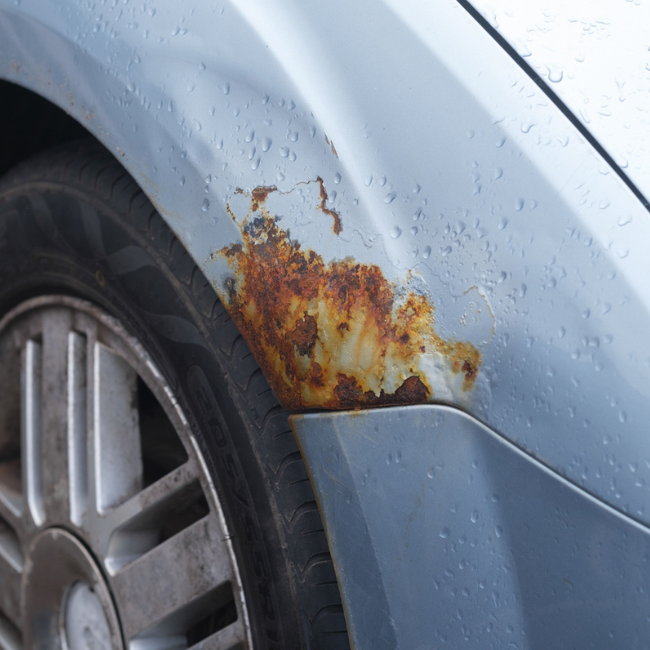
You might not see changes right away, but corrosion does not need much to get started. A little water trapped under damaged paint can begin to spread rust beneath the surface. By the time bubbling or discoloration appears, the deadline has already passed.
Why Waiting Makes Repairs More Costly
Early repairs focus on sealing and restoring small areas. Once damage grows, repairs require more labor, more materials and more time. What could have been a targeted fix can turn into sanding, repainting or replacing panels.
Weather speeds everything up. Rain, humidity and winter road salt push moisture deeper into damaged areas. Sun exposure also breaks down surrounding paint, which widens the affected spot. Waiting through a season change often makes the problem worse.
How Small Damage Hurts Long Term Value
Paint condition plays a major role in how buyers judge a vehicle. Even small flaws can raise concerns about maintenance and care. A single visible scratch can lower resale value or slow down a sale.
Ignoring damage also increases the chance that repairs will no longer blend seamlessly. The longer paint breaks down, the harder it becomes to restore a smooth, consistent finish.
The Advantage of Acting Early
Targeted repair methods address damage before it spreads. By focusing only on the affected area, technicians can restore the surface while preserving the surrounding paint. This approach saves time and money while protecting the original finish.
Fixing damage early also gives you more control. You choose when and how to repair it, rather than reacting once the damage forces a bigger decision.
Don’t Miss the Deadline
That small scratch or chip is already on the clock. The cost difference between fixing it now and fixing it later can be significant. Acting early keeps repairs simpler and helps your car hold its value.
At Colors On Parade, we specialize in fast, targeted repairs that stop damage before it gets expensive. If you’ve noticed paint damage, now is the time to act. Schedule your repair today and protect your car before the silent deadline passes.
FAQs
1. How do I know if paint damage needs immediate repair?
If you can feel the scratch with your fingernail or see bare metal, it needs attention right away. Those signs mean the protective layers are compromised.
2. Does every scratch lead to rust?
Not every scratch causes rust, but deeper scratches increase the risk. Moisture and salt speed up corrosion once the paint barrier is broken.
3. Is it cheaper to repair scratches early?
Yes. Early repairs usually require less labor and fewer materials. Waiting often leads to more complex and expensive work.