


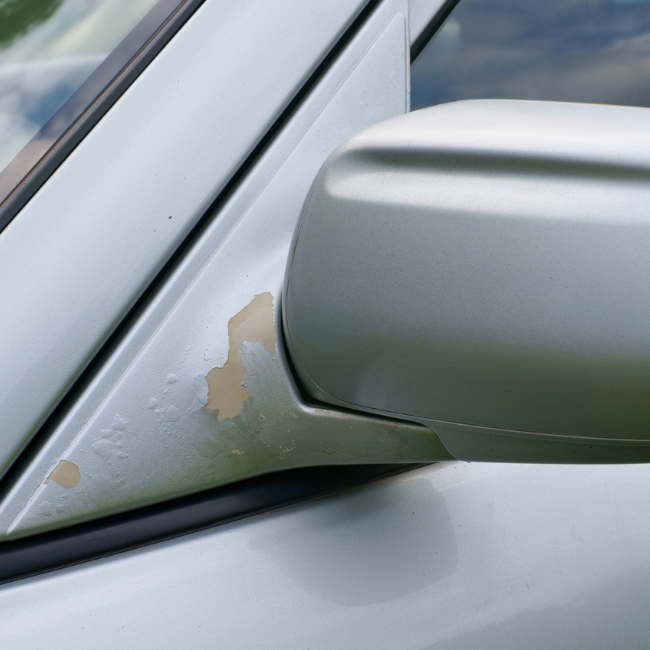
Many drivers feel relieved when winter ends. The snow melts, the roads clear and the car seems to have survived another season. However, winter often leaves behind damage that drivers do not notice right away. Road salt, potholes and constant freeze thaw cycles quietly affect the exterior of a vehicle. That is why spring car maintenance matters. This time of year offers the perfect chance to look closely at areas where winter damage tends to hide before those small problems grow.
Winter driving exposes vehicles to conditions that slowly wear down paint, wheels and lighting surfaces. Because the damage builds gradually, it can blend into the background until someone points it out. Spring car maintenance helps drivers catch those issues early and correct them while repairs remain simple.
Spring Car Maintenance Starts With Checking for Paint Chips
Paint chips rank among the most common forms of winter damage. Salt and road debris bounce off the vehicle during cold months, especially on highways. Each small impact can break through the clear coat or leave tiny marks in the paint. At first those chips look harmless, but they expose the layers beneath the paint to moisture and dirt.
Spring car maintenance should always include a slow walk around the vehicle while looking for small chips along the hood, bumper and door edges. These areas face the most contact with road debris. If the chip reaches the primer or metal, it can allow rust to form later. Addressing these spots early keeps the damage contained and protects the original finish.
Check Your Headlights for Clouding After Winter
Cold weather and road salt also affect headlight lenses. Over time the outer layer of the lens can become dull or hazy. Drivers often assume cloudy headlights come from age alone, but winter conditions speed up that process. Salt spray and constant temperature changes wear down the protective coating on the surface.
During spring car maintenance, step back and look at the headlights from a few angles. If the lens appears yellow, cloudy or faded, visibility at night might already be reduced. Restoring the lens surface can improve vehicle visibility and help the front of the car look newer again.
Inspect Wheels for Winter Curb Rash and Scuffs
Winter driving often puts wheels through harsh conditions. Snow covered curbs, icy roads and tight parking spaces increase the chance of scraping the rim. Even a light scrape can leave visible scuff marks or curb rash on alloy wheels.
When performing spring car maintenance, inspect the outer edge of each wheel. Scuffed wheels might seem like a small cosmetic issue, but they affect the way the entire car looks. Damaged rims can also chip further if the rough edge remains exposed. Repairing those scuffs helps restore the clean appearance of the vehicle and prevents the damage from spreading.
Why Spring Is the Last Easy Window to Fix Winter Damage
Spring offers a short window where winter damage can still be corrected easily. Paint chips, cloudy headlights and wheel scuffs often remain cosmetic during the early stages. However, if drivers ignore these problems for too long, moisture, heat and daily wear can make them worse.
Spring car maintenance gives drivers the chance to reset their vehicle after a hard season. Fixing cosmetic issues now prevents them from expanding later in the year. It also keeps the vehicle looking cleaner and better maintained through the warmer months.
Do Not Let Winter Damage Stick Around
Winter rarely leaves a vehicle untouched. Road salt, potholes and freezing temperatures create small issues that often go unnoticed until someone looks closely. Spring car maintenance helps drivers find paint chips, cloudy headlights and wheel scuffs before those problems grow into more expensive repairs.
Taking action now protects both the appearance and long term condition of your vehicle. If winter left cosmetic damage behind, contact Colors On Parade to schedule professional repairs and bring your vehicle back to a clean, polished look.
FAQs
1. Why is spring car maintenance important after winter?
Spring car maintenance helps drivers identify damage caused by winter conditions such as road salt, debris and freezing temperatures. Catching issues early can prevent paint chips, cloudy headlights and wheel scuffs from getting worse.
2. Can winter road salt damage car paint?
Yes, road salt can contribute to paint chips and surface wear because it combines with moisture and debris on the road. Over time this can weaken the protective paint layers and expose the surface underneath.
3. What exterior areas should I check during spring car maintenance?
Drivers should look for paint chips on the hood and bumper, cloudy headlights and scuffed wheels. These areas often show the first signs of winter related cosmetic damage.