


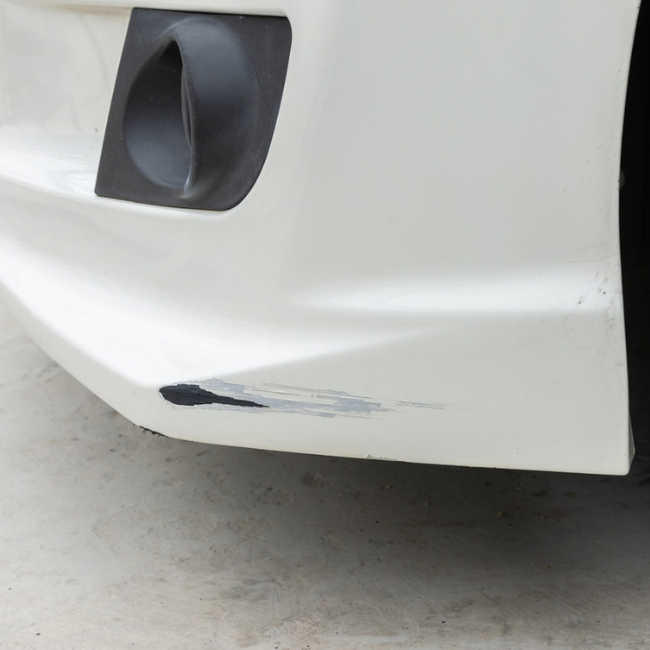
A scratch across your bumper can look serious, especially when it cuts through the paint and exposes a darker layer underneath. That often leads drivers to wonder about plastic bumper rust and whether leaving the scratch alone could cause the same corrosion problems that damaged metal panels can develop.
Most modern bumper covers use plastic, so the plastic itself cannot rust. However, that does not mean every bumper scratch is harmless. The damage can affect the paint, expose underlying components or hide a deeper impact that deserves a closer look, which is why it helps to understand exactly what got damaged before deciding whether to repair it.
Can A Plastic Bumper Actually Rust?
No, a plastic bumper cover cannot rust because plastic does not contain the iron that creates rust when metal reacts with oxygen and moisture. If a scratch exposes black, gray or another color beneath the paint, you could simply be seeing the plastic material underneath rather than bare metal.
That difference makes a scratched plastic bumper different from a chip or scratch on a steel hood, door or fender. Those metal panels can face corrosion when damage reaches bare metal, while plastic bumper rust itself is not a concern. You should still pay attention to the damage, though, because appearance, paint condition and possible damage behind the bumper can all matter.
Why Does A Deep Bumper Scratch Sometimes Look Like Exposed Metal?
Drivers sometimes see a dark or light-colored area inside a deep scratch and assume they are looking at metal. In many cases, that color comes from the bumper cover itself, primer or another layer underneath the exterior paint.
Modern automotive finishes usually contain several layers, so a scratch can cut through clear coat and color before exposing the material underneath. A professional inspection can help determine how deep the scratch goes and whether it only affects the bumper cover or involves anything beyond the visible surface.
Can Anything Behind A Plastic Bumper Rust?
Yes, metal parts behind or around a plastic bumper can still develop corrosion if damage exposes them to moisture. The bumper cover acts as the exterior cosmetic surface, but vehicles can also contain metal brackets, reinforcement components, fasteners and nearby body panels.
A light parking lot scuff usually does not mean those hidden parts have damage, but a harder impact can create more than a surface scratch. If the bumper looks pushed in, loose, cracked or out of alignment, an inspection can help determine whether the problem stops at the plastic cover or continues underneath it.
When Is A Scratched Plastic Bumper Only Cosmetic?
A shallow scratch or scuff can stay limited to the clear coat, paint or outer surface of the bumper. These marks can make the vehicle look worn without affecting how the bumper sits or functions, and many small to medium areas of cosmetic damage can qualify for targeted repair.
Paint transfer also commonly appears on bumpers after low-speed contact. Another vehicle, wall, post or object can leave material on the surface that looks like a deep scratch at first glance. A technician can inspect the mark to determine whether you have surface transfer, a clear-coat scratch or deeper paint damage before recommending a repair.
When Should You Have A Scratched Bumper Inspected?
You should consider an inspection when the scratch looks deep, the bumper has a crack, the panel feels loose or the shape has changed around the damaged area. Gaps between the bumper and nearby panels can also suggest that the impact affected clips, brackets or other parts instead of leaving only cosmetic damage.
Sensors add another reason to take bumper damage seriously. Many newer vehicles place parking sensors, cameras and driver-assistance components in or near the bumper area, so an impact can deserve more attention even when the outside damage looks fairly small. The technician can determine whether the cosmetic repair fits the damage and whether anything else needs evaluation.
Can SMART Repair Fix A Scratched Plastic Bumper?
SMART repair can fix many qualifying small to medium bumper scratches, scuffs and paint-damaged areas without automatically refinishing more of the vehicle than necessary. Small to Medium Area Repair Technology focuses on the damaged section, which can help reduce repair time, materials and disruption compared with larger traditional repair methods.
The exact repair depends on the depth and size of the scratch, whether the plastic has cracked and how the bumper sits after the impact. A surface scuff needs a different approach from a deep gouge or split bumper, so a technician should inspect the damage before deciding which process fits best.
How Does Bumper Paint Matching Work?
Matching bumper paint requires more than simply finding the factory color code. The original code gives technicians a useful starting point, but sunlight, weather and age can change how the vehicle’s finish looks over time. The bumper itself can also reflect light differently than nearby metal panels because the underlying materials differ.
Colors On Parade technicians look at the paint as it appears today and adjust the color as needed to create the closest possible match. They also consider blending, texture and shine so the repaired area works with the surrounding finish rather than standing out as an obvious patch.
Should You Ignore A Bumper Scratch Because Plastic Does Not Rust?
Avoiding plastic bumper rust does not mean there is no reason to repair the damage. A visible scratch can affect your vehicle’s appearance, and deeper damage can become harder to ignore as dirt collects in the exposed area or the surrounding finish continues to wear.
Repairing cosmetic damage can also matter when you plan to sell, trade or return a leased vehicle. A clean bumper helps the entire car look better, especially because front and rear bumpers tend to attract attention during walkarounds, photos and vehicle inspections.
Get The Right Repair For Your Scratched Bumper
A scratched plastic bumper will not rust the way an exposed steel body panel can, but the damage still deserves the right diagnosis. The scratch could involve nothing more than paint transfer or surface damage, or it could reach deeper into the bumper cover or point to damage behind it.
Colors On Parade specializes in SMART cosmetic repairs for qualifying small to medium areas of bumper damage, with mobile service available in many locations. Our technicians can inspect the scratch, determine how deep it goes and recommend the repair that fits your vehicle, so contact your local Colors On Parade team if your bumper needs a closer look.
FAQs
1. What Is The Black Material Showing Under My Scratched Bumper Paint?
The black or dark material could be the plastic bumper cover underneath the paint rather than exposed metal. A technician can inspect the scratch and determine which layer you are seeing and how deep the damage goes.
2. Can A Deep Scratch Ruin A Plastic Bumper?
A deep scratch can damage the paint and cut into the plastic itself, but the seriousness depends on the depth, size and location. Cracks, gouges, loose sections or changes in the bumper’s shape can require a different repair than a simple cosmetic scratch.
3. Should I Repair A Bumper Scratch If It Cannot Rust?
Repair can still make sense because the scratch affects the vehicle’s appearance and could involve more than surface paint damage. A professional inspection can confirm whether the problem is cosmetic or whether the impact affected the bumper cover or components behind it.