


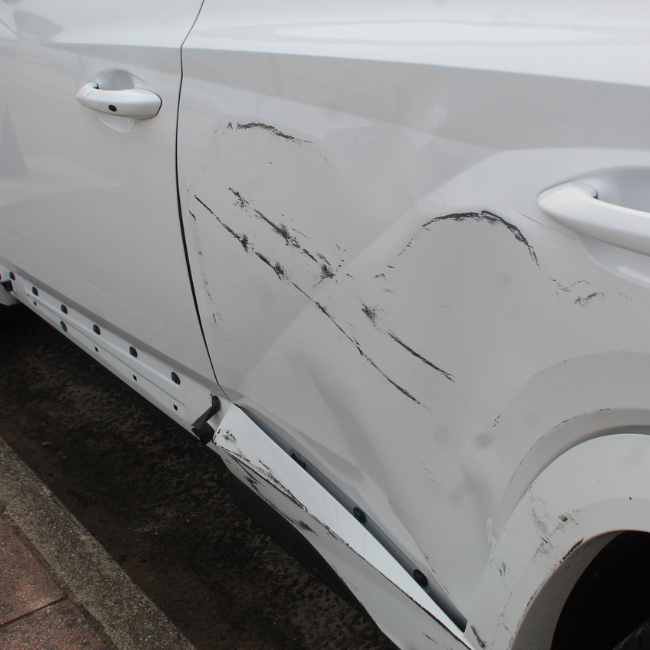
Most drivers think mileage and engine condition decide what their car is worth. Those factors matter, but dealerships often look at something else first. They start with appearance. Cosmetic condition plays a major role in car resale value, and many owners underestimate how strongly it affects trade-in offers. A few visible dents, scratches or wheel scuffs can lower the number on the appraisal sheet faster than people expect.
Dealerships rarely explain this part of the process. However, anyone who has traded in a car has probably experienced the moment when the offer comes back lower than expected. In many cases, cosmetic damage helped drive that number down.
How Dealerships Really Evaluate Car Resale Value
When a dealership receives a trade-in vehicle, the appraisal process moves quickly. The evaluator walks around the car, checks the interior and scans for visible flaws. Small dents, scratched bumpers, chipped paint and scuffed wheels immediately stand out. These cosmetic issues affect car resale value because they signal additional work before the dealership can resell the vehicle.
Dealerships prepare most trade-ins for resale through a process called reconditioning. That includes cleaning, minor repairs and cosmetic fixes so the car looks appealing on the lot. Every flaw they see during appraisal becomes a potential reconditioning cost. Even small repairs get added to their mental checklist, and those projected costs lower the trade-in offer they present to the owner.
In other words, the dealership subtracts the repair cost before making the offer. In many cases they subtract more than the repair itself because they also factor in labor, time and risk.
Why Small Cosmetic Damage Has a Big Impact
Cosmetic flaws affect car resale value more than many drivers expect because appearance shapes first impressions. When a used car buyer walks onto a lot, they judge condition within seconds. If the vehicle looks clean and well maintained, it immediately feels more valuable. If dents and scratches stand out, buyers assume the vehicle was not cared for properly.
Dealerships understand this psychology very well. They know that a clean exterior helps a vehicle sell faster and often at a higher price. That is why cosmetic repairs happen before many cars even reach the sales lot. A small repair that costs a few hundred dollars can make a vehicle look dramatically better and improve its perceived value.
For the dealership, that repair is part of doing business. For the owner trading in the vehicle, it becomes a deduction from the trade-in offer.
The Smart Move Before You Visit the Dealership
Many drivers unknowingly give dealerships an advantage by trading in vehicles with visible cosmetic damage. The dealership controls the repair process and benefits from the value increase after the fix. However, owners can level the playing field by addressing those issues before stepping onto the lot.
Mobile cosmetic repair makes this step simple. Services such as scratch repair, dent removal and alloy wheel repair focus on restoring the damaged area without replacing large parts or repainting entire panels. These targeted repairs cost far less than traditional body work while still improving the appearance of the vehicle.
When cosmetic damage disappears, the entire vehicle looks cleaner and better maintained. That improved appearance can protect car resale value and strengthen your position during trade-in negotiations.
Protect Your Car Resale Value Before You Trade It In
Dealerships understand how strongly appearance affects trade-in value, even if they do not always explain it. Small dents, scratches and wheel scuffs give them a reason to reduce their offer because they expect to repair those issues before selling the car.
Addressing cosmetic damage ahead of time helps remove that leverage. A quick repair can dramatically improve the look of the vehicle and support a stronger appraisal. If you are planning to trade in your car soon, contact Colors On Parade to schedule professional cosmetic repairs and help protect your car resale value before you visit the dealership.
FAQs
1. Do dents and scratches really affect car resale value?
Yes. Dealerships consider cosmetic damage when calculating trade-in offers because they expect to repair those issues before reselling the vehicle. Visible dents and scratches often lead to lower appraisals.
2. Should I repair cosmetic damage before trading in my car?
In many cases repairing cosmetic damage first can help protect car resale value. Small repairs can improve the appearance of the vehicle and remove deductions the dealership might apply during appraisal.
3. What types of repairs help improve trade-in value the most?
Minor dent repair, scratch repair and alloy wheel repair often make the biggest difference. These fixes improve the vehicle’s appearance quickly and help create a stronger first impression during evaluation.