


You finally got that scratch, chip or scuff repaired, and your car looks great again. Naturally, you want to keep it that way. One of the first questions many drivers have after car paint repair is when they can safely wash the vehicle without affecting the fresh finish.
There is not one waiting period that applies to every paint repair. The products used, size of the repaired area, curing process, weather and repair method can all affect when washing is safe. Your technician should always give you aftercare instructions that fit your specific repair, but understanding how fresh automotive paint behaves can help you protect the finish once you leave the appointment.
How Long Should I Wait To Wash My Car After Paint Repair?
The safest answer is to follow the instructions from the technician who completed the repair. Modern automotive paint systems can dry quickly, but dry and fully cured do not always mean the same thing. Paint can feel dry to the touch while the coatings continue to harden underneath the surface.
Because repair methods and products differ, the right time to wash car after paint repair can vary. A small SMART repair can have different aftercare needs than a larger refinished panel. Heat, humidity, temperature and the curing equipment used during the repair can also affect the process, so the person who completed the work can give you the most accurate guidance.
Why Does Fresh Car Paint Need Time Before Washing?
Automotive paint repair usually involves more than simply adding color to a damaged spot. Depending on the repair, technicians can prepare the surface, apply color and finish the area with clear coat before allowing the materials to cure.
Even when the surface looks finished, the coatings can continue hardening after the repair. Washing too aggressively during this period could put unnecessary stress on a finish that has not reached its full hardness. Giving the repaired area the proper time and using gentle care can help protect the color, shine and smooth surface your technician worked to restore.
Can I Hand Wash My Car After Paint Repair?
Hand washing is generally gentler than an automatic car wash, but you should still wait until your technician says the repaired area is ready. Once you get the go-ahead, use a clean microfiber wash mitt, mild automotive soap and plenty of water so dirt can move away from the surface instead of scratching it.
Avoid scrubbing directly over the repaired area or using rough sponges, brushes and household cleaners. You should also dry the vehicle gently with clean microfiber towels instead of rubbing the finish aggressively. Fresh paint deserves the same careful treatment you would give the rest of a well-maintained vehicle, especially during the early stages after a repair.
Should I Avoid Automatic Car Washes After Paint Repair?
Automatic car washes can put more pressure on a newly repaired finish than careful hand washing. Brushes can drag dirt across the surface, while strong chemicals and high-pressure water can create unnecessary stress on fresh paint.
Touchless washes remove the brushes, but they can still use strong cleaning products and high-pressure sprays. If your paint repair is recent, ask your technician when you can safely return to your normal car wash routine. Waiting a little longer for an automatic wash can be worth it if it helps protect the repaired area.
Can I Pressure Wash Fresh Automotive Paint?
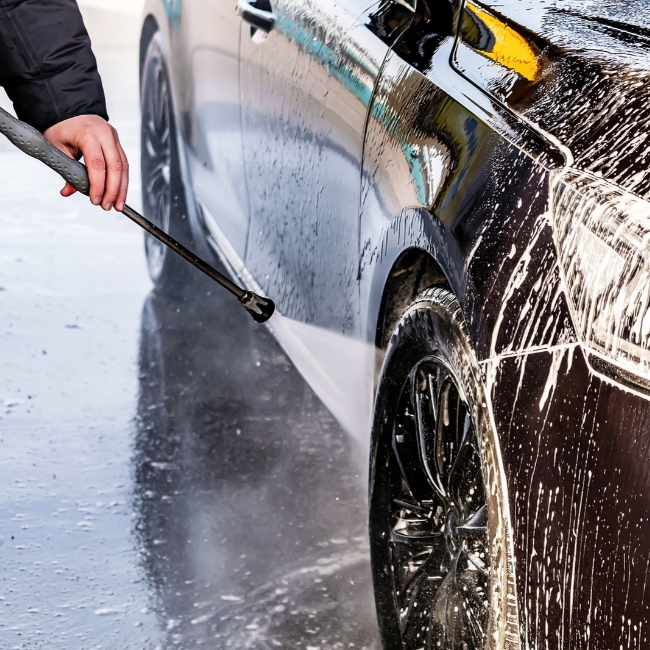
A pressure washer can create a concentrated stream of water that is much stronger than a normal garden hose. That pressure can become especially risky around edges, repaired chips or areas where the nozzle gets too close to the surface.
Once your technician approves regular washing, keep high-pressure equipment at a safe distance and avoid aiming directly at repaired edges. You do not need extreme water pressure to keep a freshly repaired vehicle clean, and a gentler approach can reduce the chance of damaging the finish.
When Can I Wax Or Polish My Car After Paint Repair?
Washing, waxing and polishing are not the same thing, so permission to wash the car does not automatically mean the repaired paint is ready for other products. Some waxes, sealants, coatings and polishing processes can affect how paint continues to cure or place extra friction on the surface.
Ask your technician how long you should wait before applying wax, ceramic products or other paint protection to the repaired area. If you use professional detailing services, tell the detailer which part of the vehicle received recent paint work so they can avoid treating the area too soon.
What If My Car Gets Dirty Before I Can Wash It?
You do not need to panic if dust or light dirt lands on the vehicle while the paint continues curing. Trying to aggressively clean a small mark can sometimes create more risk than leaving it alone until the finish is ready for washing.
Bird droppings, bug residue and other contaminants deserve more attention because they can affect automotive finishes if they remain on the surface. If something lands directly on newly repaired paint and you are not sure how to remove it safely, contact the technician who completed the repair before scrubbing or using a cleaning chemical.
Does Weather Affect Paint Repair Aftercare?
Temperature, humidity and weather conditions can affect how automotive coatings cure. Hot sun, heavy rain, freezing conditions and high humidity can all create different environments for a recently repaired surface, although modern paint systems and professional curing methods help technicians manage many of these factors.
If your vehicle received mobile car paint repair, your technician can explain whether the weather at the time of service changes any of your aftercare instructions. Colors On Parade technicians work with the condition of the vehicle, repair method and environment when completing qualifying SMART repairs, so asking about aftercare before the technician leaves can help you know exactly what to do next.
How Can I Protect The Repair Once I Start Washing Again?
Once the repaired paint is ready for normal care, good washing habits can help protect the finish across the entire vehicle. Use automotive-specific cleaning products, clean wash tools and gentle drying methods instead of abrasive brushes or household chemicals.
It also helps to wash dirt, bug residue and road grime regularly rather than letting contaminants build up. Careful maintenance will not prevent every scratch or chip, but it can help preserve the gloss and appearance of the repaired finish and the surrounding original paint.
Protect Your Car Paint Repair After The Work Is Done
A quality repair does not end when the damaged area looks good again. The way you care for fresh paint afterward can help protect the finish as it continues to cure, so knowing when and how to wash car after paint repair matters.
Colors On Parade provides SMART cosmetic repair for qualifying scratches, chips, scuffs and other small to medium areas of vehicle damage, with mobile service available in many locations. After your repair, follow the care instructions from your technician and ask questions before using automatic washes, pressure washers, waxes or other products on the repaired area. If your vehicle needs cosmetic paint repair, contact your local Colors On Parade team to learn which repair option fits the damage.
FAQs
1. How Soon Can I Wash My Car After A Paint Repair?
The waiting period depends on the paint system, repair method and curing process used on your vehicle. Follow the instructions from the technician who completed the repair because they can give you guidance based on the specific products and conditions involved.
2. Can I Go Through An Automatic Car Wash After My Car Is Repainted?
You should wait until your technician says the fresh paint is ready for an automatic wash. Brushes, strong chemicals and high-pressure water can be harder on a recently repaired finish than gentle hand washing.
3. How Long Should I Wait To Wax My Car After Paint Repair?
Waxing and polishing can require a longer wait than basic washing because fresh automotive paint can continue curing after the surface feels dry. Ask your technician when the repaired area is ready for wax, sealant, ceramic products or polishing.