


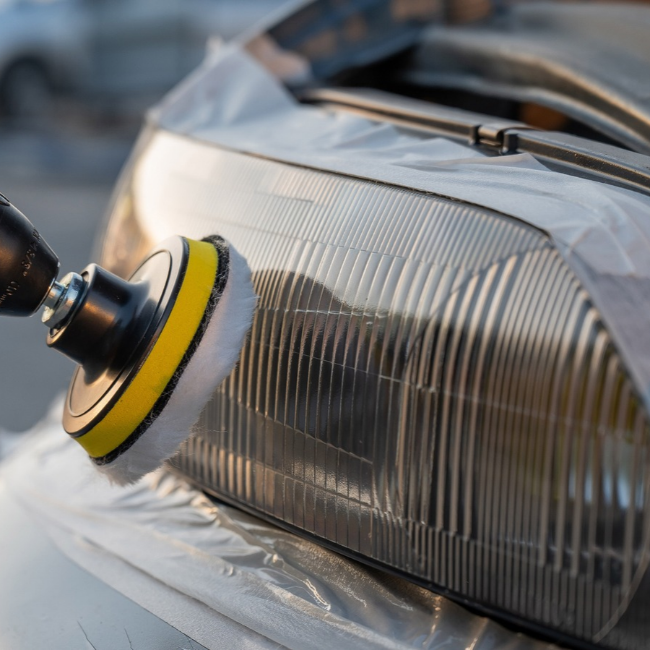
Cloudy, yellow or foggy headlights can make a vehicle look older, but appearance is only part of the problem. Oxidized headlight lenses can also reduce the amount of light that reaches the road. Professional headlight restoration can remove damaged surface material and restore clarity, but many drivers want to know how long the results will last before the haze comes back.
There is no single lifespan that applies to every restored headlight. How long the results last depends on the condition of the lenses, how the restoration was completed, the amount of sun and weather exposure the vehicle gets and how the headlights are cared for afterward. A professional restoration can provide much longer-lasting results than simply cleaning or polishing the outside of the lens, especially when the process includes steps designed to protect the restored surface.
How Long Does Headlight Restoration Last?
Professional headlight restoration can last for months or even years, but the exact amount of time varies from vehicle to vehicle. A car that spends most of its time in a garage can keep clear headlights longer than one that sits outside in direct sunlight every day. Climate, road conditions, driving habits and the condition of the original lens also affect how quickly oxidation returns.
The restoration process itself matters too. Simply removing the cloudy surface can improve appearance for a short time, but the lens still needs protection from the conditions that caused the damage in the first place. A professional technician can evaluate the lens, remove the damaged layer and use a restoration process designed to create a more complete result.
Why Do Headlights Become Cloudy Again?
Most modern headlights use plastic lenses rather than glass. Manufacturers protect those lenses with a clear coating that helps defend the plastic against ultraviolet light, weather and road exposure. Over time, that protection wears down and the surface begins to oxidize.
Sunlight is one of the biggest causes of recurring cloudy headlights. UV exposure slowly breaks down the outer surface of the plastic, which can lead to yellowing, haze and a rough texture. Heat, rain, salt, road grime, chemicals and normal aging can add to the problem.
Once a headlight has needed restoration, the lens has already experienced some surface wear. Professional restoration can remove the damaged material and improve clarity, but it cannot stop the lens from aging forever. Good protection and maintenance can help slow that process.
Does The Quality Of The Restoration Affect How Long It Lasts?
Yes. The method used to restore the headlight can have a major effect on how long the improvement lasts. Quick DIY products often focus on polishing the surface enough to make it look clearer. That can create an immediate improvement, but the haze can return quickly if the damaged surface remains or the lens does not receive proper protection afterward.
A professional headlight lens restoration involves evaluating how much oxidation has developed and choosing a process that fits the condition of the lens. Depending on the service, the technician can remove the oxidized surface, refine the lens and add protection designed to help preserve the restored finish.
A proper restoration also avoids unnecessary damage to the surrounding paint and trim. Headlight lenses require careful work because aggressive sanding, polishing or chemical use can create scratches or uneven areas when someone uses the wrong technique.
Does Parking Outside Make Headlight Haze Return Faster?
Vehicles that spend a lot of time outdoors usually face more UV exposure, heat and weather than vehicles stored in a garage or covered area. That extra exposure can cause restored headlights to oxidize faster over time.
This does not mean you need to keep your car indoors after headlight restoration. Parking in a garage, carport or shaded area when possible can simply help reduce the amount of direct sunlight hitting the lenses. Even small changes in daily exposure can make a difference over the life of the vehicle.
Drivers in sunny climates can see headlight oxidation more often because strong sunlight stays on the lenses throughout much of the year. Coastal conditions, road salt and other environmental factors can also contribute to surface wear.
How Can You Make Headlight Restoration Last Longer?
Regular care can help protect restored headlights. Washing the lenses when you wash the vehicle removes dirt, bugs, road film and other material that can build up on the surface. Use mild automotive cleaning products and soft wash materials rather than abrasive pads or harsh household chemicals.
You should also avoid repeatedly using aggressive headlight cleaners or polishing compounds. Products designed to remove oxidation work by affecting the surface of the lens, so using them too often can create unnecessary wear. Once the headlights have been professionally restored, gentle cleaning is usually the better approach.
Parking away from direct sunlight when practical can also help. If your technician gives you specific aftercare instructions or recommends a protective product, follow those directions because the right care can depend on the restoration process used.
How Do You Know When Your Headlights Need Restoration Again?
Haze usually returns gradually, so drivers do not always notice it right away. You might first see a slight yellow tint, dull surface or cloudy patch near the top of the lens. Over time, the entire headlight can lose clarity.
You could also notice a change in how well the headlights illuminate the road at night. A cloudy outer lens can scatter or block some of the light instead of allowing it to pass through clearly. If your headlights look hazy again or seem dimmer than expected, a technician can inspect the lenses and determine whether another restoration is appropriate.
Not every lighting problem comes from the outer lens. Dim headlights can also involve bulbs, electrical problems or internal headlight damage, so restoration will not correct every cause of poor lighting.
Is Headlight Restoration Better Than Replacing The Headlights?
Restoration can make sense when the main problem is oxidation or cloudiness on the outer lens and the headlight assembly still works properly. Replacing a complete headlight assembly can cost much more, especially on newer vehicles with advanced lighting systems.
However, restoration cannot fix every headlight problem. Cracks, broken mounts, water inside the assembly, damaged internal reflectors or lighting system failures can require different repairs or replacement. A professional inspection can help determine whether headlight restoration addresses the actual problem or whether the assembly needs more extensive attention.
Can Mobile Headlight Restoration Save You A Trip To A Shop?
Many Colors On Parade locations offer mobile cosmetic automotive services, including qualifying headlight restoration. Mobile service can allow a technician to work on the vehicle at your home, workplace or another approved location rather than requiring a traditional body shop visit.
Service availability can vary by location, vehicle and headlight condition, so the local technician can confirm whether mobile restoration fits your situation. When the lenses qualify, restoring them can improve the appearance of the vehicle without replacing parts that still have useful life.
Keep Restored Headlights Clear As Long As Possible
So, how long does headlight restoration last? The answer depends on the condition of the lens, quality of the restoration, UV exposure, weather and how you care for the headlights afterward. Professional restoration can provide long-lasting improvement, but no treatment can completely stop plastic lenses from aging.
Colors On Parade can restore many qualifying cloudy, yellow and oxidized headlights using professional cosmetic repair methods. If your headlights have lost their clarity, contact your local Colors On Parade team to find out whether headlight restoration can improve their appearance and help you get more life from the existing lenses.
FAQs
1. How Often Do Headlights Need To Be Restored?
There is no set schedule because headlight oxidation develops at different rates. Sun exposure, climate, vehicle age and lens condition can all affect how quickly haze returns after restoration.
2. Why Did My Headlights Turn Cloudy Again After Restoration?
Cloudiness can return because the plastic lens continues to face UV light, heat, weather and normal aging. The restoration method and protection used afterward can also affect how quickly oxidation comes back.
3. Can Headlight Restoration Permanently Fix Cloudy Headlights?
Headlight restoration can provide long-lasting improvement, but it cannot permanently stop plastic from aging or receiving UV exposure. Proper restoration and careful maintenance can help keep the lenses clear for a longer period.