


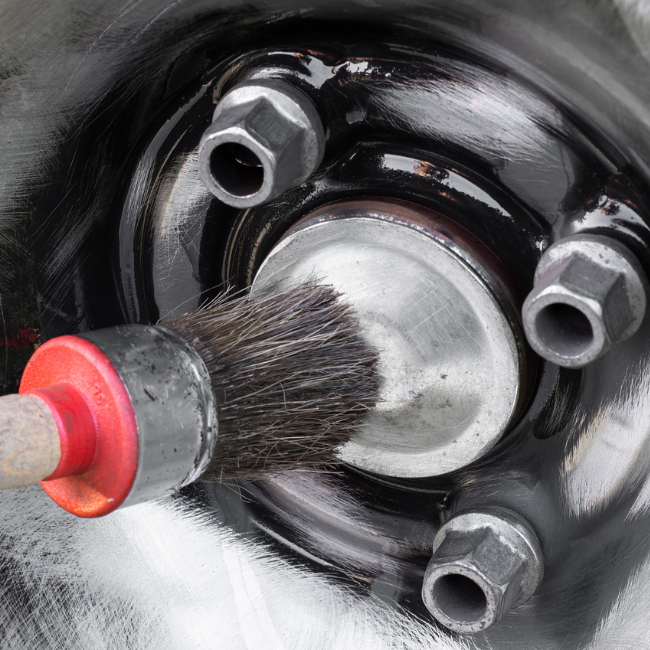
A scuffed wheel can make an otherwise clean car look older, rougher and less cared for. If you’re wondering whether you need a new wheel or a cosmetic service, wheel refinishing can often help restore the look of common surface damage without jumping straight to replacement. The right choice depends on the wheel’s condition, the type of damage and whether the wheel still works safely.
What Is Wheel Refinishing?
Wheel refinishing restores the appearance of a wheel after cosmetic damage. It can help improve the look of scuffs, scratches, curb rash, chips and finish wear when the damage stays on the surface. Instead of replacing the whole wheel, a technician focuses on the damaged area and works to bring back a cleaner, smoother finish.
Drivers often look into wheel refinishing after one bad curb hit, a tight parking mistake or years of daily wear. The service helps when the wheel still performs the way it should but looks worn on the outside. That makes it a smart option for people who care about how their vehicle looks but do not want to buy a new wheel without knowing whether they truly need one.
When Is Wheel Refinishing Better Than Replacement?
Wheel refinishing often makes more sense than replacement when the damage is cosmetic. If the wheel has curb rash around the edge, surface scratches, clear coat wear or small chips, refinishing could help improve the appearance without the cost of a new wheel. This option works especially well when the wheel still holds air, rolls smoothly and has no major cracks or bends.
Replacement becomes more likely when the wheel has serious structural damage. A cracked, bent or unsafe wheel needs a different level of attention because appearance is not the only concern. A technician should look at the wheel and explain whether the issue affects safety, performance or only the finish. That inspection helps drivers avoid guessing and choose the right path.
Why Do Scuffed Wheels Make A Car Look Older?
Scuffed wheels draw attention because they frame the whole vehicle. You can wash the paint, clean the glass and detail the interior, but damaged wheels still make the car look worn. A scrape along the rim or a patch of curb rash can make people assume the vehicle has had a rougher life than it really has.
This matters even more before selling, trading or listing a vehicle online. Buyers and appraisers often notice wheel damage during the first walkaround. A scuffed wheel can lower the overall impression of the car before anyone checks the mileage, features or service history. Wheel refinishing can help the vehicle look cleaner and more cared for in photos and in person.
Can Wheel Refinishing Fix Curb Rash?
Wheel refinishing can often improve curb rash when the damage affects the outer edge or finish of the wheel. Curb rash usually happens when the wheel scrapes against a curb during parking, turning or pulling into a tight spot. The damage can look rough, jagged or scratched, even when the wheel still works fine.
The exact result depends on the wheel type, finish and depth of the damage. Painted wheels, black wheels and some alloy finishes all need the right approach. That’s why a professional look matters. A technician can check the wheel, explain what refinishing can improve and set clear expectations before the work begins.
Is Wheel Refinishing A Good Choice For Black Or Specialty Wheels?
Wheel refinishing can help black wheels and specialty finishes look cleaner when scratches, chips or curb rash stand out. Dark wheels often show damage faster because bright scuffs contrast against the finish. One scraped wheel can pull attention away from the whole vehicle, even if the rest of the car looks sharp.
Specialty finishes need careful handling because not every wheel has the same surface, texture or coating. Some finishes need a more detailed approach than others. Colors On Parade can inspect the wheel, look at the finish and explain whether refinishing fits the damage. That gives drivers a clear answer instead of a guess based on photos alone.
How Do You Know If You Need Wheel Refinishing Or A New Wheel?
You likely need wheel refinishing if the damage looks cosmetic and the wheel still works properly. Surface scratches, curb rash, finish wear and minor scuffs often point toward refinishing. You should ask about replacement or a deeper inspection if the wheel looks bent, cracked, badly gouged or causes vibration while driving.
If you’re not sure, start with an inspection. A trained technician can tell the difference between damage that affects appearance and damage that affects safety. That answer matters because replacing a wheel too soon can waste money, while ignoring serious wheel damage can create bigger concerns. Wheel refinishing gives drivers a practical option when the problem is mostly visual and the wheel still functions the way it should.
When Should You Ask About Wheel Refinishing?
You should ask about wheel refinishing when curb rash, scuffs or finish damage make your car look older than it is. It can also make sense before a trade-in, lease return, dealership appraisal or sale photos because wheels play a big role in first impressions. Colors On Parade can look at your wheels, explain whether refinishing fits the damage and help restore a cleaner appearance. Contact Colors On Parade today to find out whether wheel refinishing is the best choice for your scuffed wheel.
FAQs
1. Is wheel refinishing cheaper than replacing a wheel?
Wheel refinishing often costs less than replacing a wheel when the damage is cosmetic. The final cost depends on the wheel type, finish and damage level. A technician can inspect the wheel and explain whether refinishing makes sense or whether replacement deserves a closer look.
2. Can wheel refinishing fix curb rash?
Wheel refinishing can often improve curb rash when the damage affects the wheel’s surface or outer edge. The result depends on how deep the scrape goes and what type of finish the wheel has. A professional inspection gives you the clearest answer because some wheel finishes need a more careful approach.
3. How do I know if my scuffed wheel needs replacement?
A scuffed wheel could need replacement if it has cracks, bends, severe gouges or driving issues like vibration or air loss. If the damage only affects the surface finish, wheel refinishing could make more sense. A technician can help you separate cosmetic damage from safety concerns.