


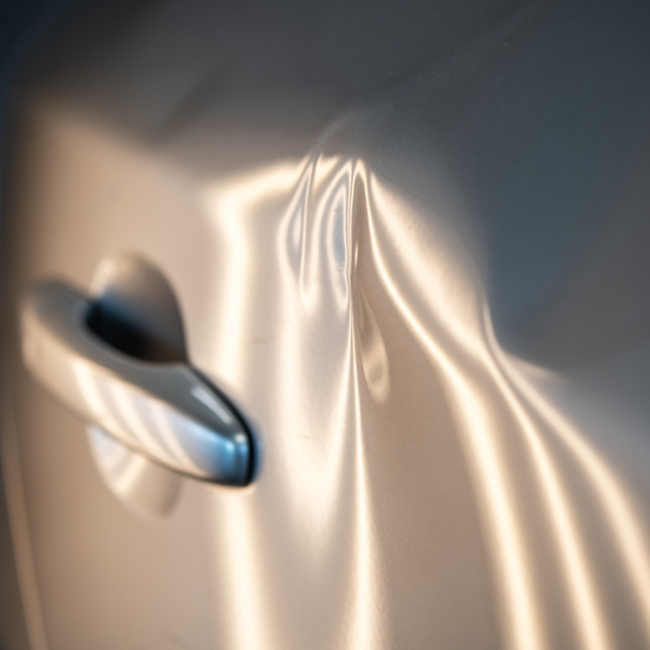
Many drivers see a scratch, dent or paint chip and shrug it off. It still drives fine, so it feels safe to wait. That’s where the problem starts. The idea that cosmetic damage does not matter is one of the most expensive myths in car ownership.
What looks minor on the surface often leads to bigger issues underneath. Ignoring cosmetic damage can quietly drain your wallet over time.
Why Cosmetic Damage Is Never Just Cosmetic
Paint does more than make your car look good. It protects the metal underneath from moisture, dirt and road salt. When a scratch breaks through the clear coat, that protection disappears.
Once exposed, metal starts to react with water and air. Rust begins forming beneath the paint and spreads outward. You might not notice it right away, but the damage grows even when the car sits still.
How Small Damage Turns Into Big Repairs
A small scratch usually needs a targeted repair that blends into the surrounding paint. When rust forms, repairs become much more involved. Technicians may need to sand larger areas, treat corrosion or repaint entire panels.
The cost difference can be significant. What could have been a simple fix often turns into a repair that takes more time and more materials. Weather makes this process faster. Rain, humidity and winter road salt all speed up corrosion. Sun exposure also weakens paint around damaged areas, which causes peeling and bubbling.
The Hidden Cost at Trade-In Time
Cosmetic damage also affects your car’s value. Dealers inspect the exterior early and factor visible flaws into their offers. Even small scratches can lower trade-in value because dealers plan for reconditioning costs.
Many drivers lose hundreds or even thousands of dollars at trade-in simply because they ignored cosmetic issues that could have been fixed earlier.
Why Waiting Feels Easy but Costs More
Cosmetic damage does not cause immediate breakdowns, so it feels safe to delay repairs. The problem is that damage keeps working in the background. By the time it becomes obvious, your repair options shrink and costs rise.
Early repairs protect the original paint and stop damage from spreading. They also help your car maintain a clean, well cared for appearance.
The Smarter Way to Handle Cosmetic Damage
Targeted repair methods focus only on the damaged area instead of repainting large sections. This approach saves time, reduces cost and preserves your car’s finish.
Taking care of damage early gives you control. You fix it on your schedule instead of reacting to a larger problem later.
Don’t Fall for the Myth
Cosmetic damage is never just cosmetic. It affects protection, value and long-term repair costs. The sooner you act, the more you save.
At Colors On Parade, we specialize in fast, targeted cosmetic repairs that stop damage before it gets expensive. If you’ve been putting off a repair, now is the time. Schedule your service today and protect your car and your wallet.
FAQs
1. Can cosmetic damage really lead to rust?
Yes. Once paint is damaged, moisture can reach the metal underneath and start corrosion.
2. Is it worth fixing scratches before trading in a car?
In many cases, yes. Small repairs often cost less than the value lost during trade-in negotiations.
3. How soon should cosmetic damage be repaired?
As soon as possible. Early repairs help prevent spreading damage and keep costs lower.