


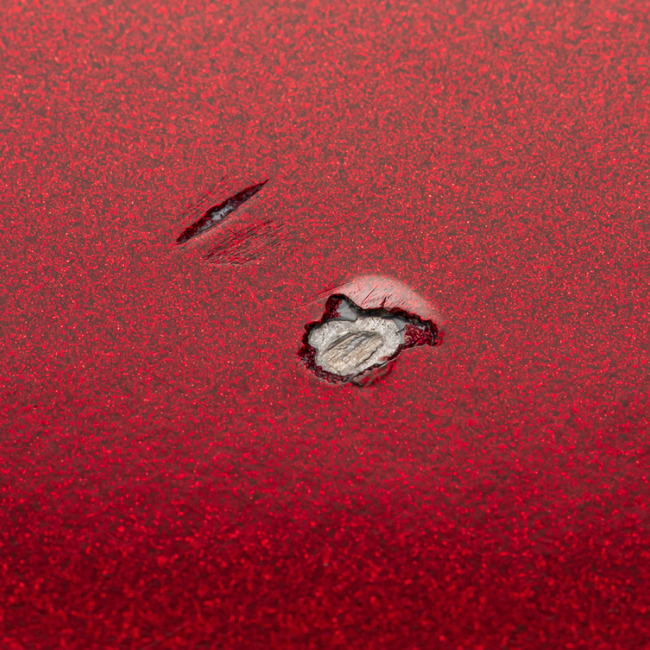
A few rock chips across your hood can make the whole front of your car look worn, but small chips do not always mean you need to repaint the entire hood. Professional paint chip repair can often focus on the damaged areas when the surrounding paint remains in good condition. The right repair depends on how many chips you have, how deep they go, where they sit and how well the repaired paint can blend with the existing finish.
Can You Fix Rock Chips Without Painting The Whole Hood?
Yes, technicians can often repair individual rock chips without repainting the entire hood. Small to Medium Area Repair Technology, or SMART repair, focuses on the damaged area instead of automatically refinishing a much larger section of the vehicle. A technician will first inspect the chips and the surrounding paint because a few isolated chips create a very different repair situation than dozens of chips scattered across the hood. The goal is not simply to cover each spot with paint. A good repair also needs to work with the color, texture and shine of the surrounding finish.
How Do You Know If A Rock Chip Can Get A Small-Area Repair?
Technicians look at several factors before recommending a repair because the size of the chip alone does not tell the full story.
- Number of chips: A few isolated chips can work well for targeted repair, while a hood covered with dozens of chips could need a broader approach.
- Depth: Some chips only damage the upper finish, while others reach the primer or expose bare metal.
- Location: Damage clustered in one small area can differ from chips spread across the entire hood.
- Condition of the paint: Fading, peeling clear coat or other paint problems can affect how well a smaller repair blends.
- Color and finish: Metallic, pearl and other complex finishes can require extra care during color matching and blending.
A professional inspection helps the technician look at all of these factors together before deciding whether SMART repair or a larger paint repair makes more sense.
Does A Small Paint Chip Need To Be Fixed?
A paint chip might look tiny, but its depth matters because deeper damage can expose the layers underneath the paint. If the chip reaches bare metal, moisture can reach the exposed surface and create a risk of corrosion over time. Even when rust is not a concern, chips can still affect the appearance of the vehicle, especially across the hood where bright light makes small flaws easier to see. Professional paint chip repair can improve the appearance while also addressing the damaged paint layers.
Why Doesn’t Touch-Up Paint Always Make Rock Chips Disappear?
Touch-up paint can cover exposed areas, but matching a color from a bottle does not always create a smooth or seamless-looking result. Factory paint codes give technicians a starting point, but a vehicle’s actual color can change as it ages. Sun exposure, weather and time can shift the finish, which means two vehicles with the same original paint code can look slightly different years later.
Colors On Parade technicians go beyond the original paint code by looking at the vehicle’s current color and adjusting the paint as needed to create the closest match possible. Preparation and blending also matter because simply filling a chip with paint can leave a raised spot, uneven texture or visible color difference if the repair does not account for the surrounding finish.
When Does The Whole Hood Need To Be Repainted?
A larger repair can make more sense when rock chips cover a wide section of the hood, the clear coat has widespread damage or the existing paint has other problems that could make individual repairs stand out. The same can apply when hundreds of tiny chips create a sandblasted appearance along the front edge of the hood. SMART repair works well for many small to medium areas, but the technician still needs to choose the repair that fits the actual condition of the vehicle instead of forcing a smaller repair where it will not produce the best result.
Can SMART Repair Make Paint Chip Repair Faster And More Affordable?
For qualifying damage, SMART repair can often reduce the amount of time and material needed because it focuses on the damaged area instead of automatically treating the entire panel. That targeted approach can make some repairs faster and more affordable than a traditional full-panel repair. Many Colors On Parade locations also offer mobile service, so depending on the repair and your local location, a technician might be able to come to your home, workplace or another approved location.
What Should You Do When You Notice Rock Chips?
Start by looking closely at the hood in good light and checking how many chips you have, how large they are and whether any appear to expose primer or metal. Avoid sanding, scraping or aggressively rubbing the damaged areas before someone inspects them because a small chip can become harder to repair if a DIY attempt removes good paint around it. A professional inspection can help you understand whether targeted repair makes sense or whether the hood needs more extensive work.
Find The Right Repair For Your Hood
Rock chips do not automatically mean repainting the entire hood. For many vehicles, professional paint chip repair can target the damaged areas while preserving more of the existing finish. Colors On Parade specializes in SMART cosmetic repair for small to medium areas of vehicle damage, and our technicians look at the number of chips, their depth, the condition of your paint and the way the color has changed over time before recommending a repair. Contact your local Colors On Parade team to have your rock chips inspected and find out which repair option fits your vehicle.
FAQs
1. Can You Fix Just One Paint Chip On A Car?
Yes. A technician can often repair one isolated paint chip without repainting a large area. The repair depends on the chip’s depth, location and the condition of the surrounding paint.
2. Will Rock Chips Rust If I Don’t Fix Them?
Rock chips that expose bare metal can allow moisture to reach the surface, which can lead to corrosion over time. Chips that only affect the upper paint layers do not carry the same risk.
3. How Do Technicians Match Paint On An Older Car?
Technicians can start with the factory paint code, but they also look at the vehicle’s current finish. Age, sunlight and weather can change the color over time, so careful adjustment and blending help create the closest match possible.