


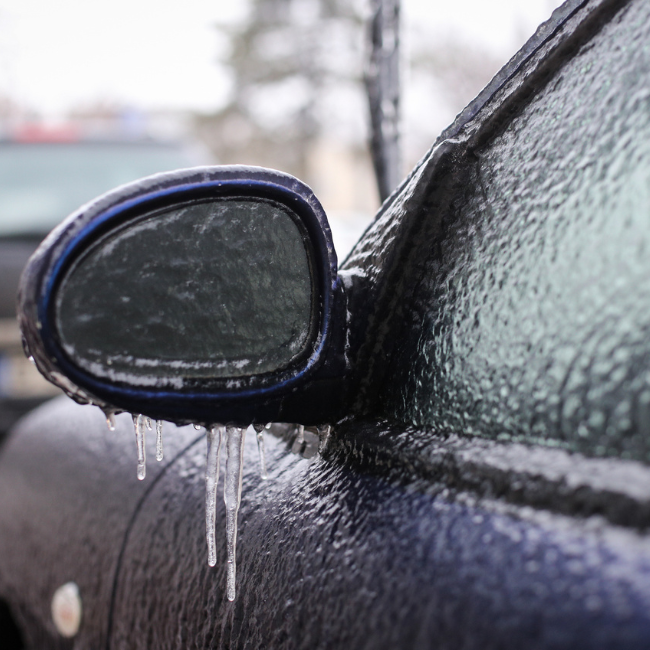
Winter hits harder every year, and 2026 is shaping up to be no different. Cold snaps, road salt, freezing rain and fast temperature swings all work together to attack your car’s exterior. Most drivers think winter damage comes only from big things like rust or deep scratches, but the truth is that the real paint killers are often the small problems you never notice until it is too late.
Here are the seven hidden threats that weaken your paint, spread damage and raise repair costs if you ignore them.
1. Road Brine That Eats Into Your Clear Coat
Road crews now use liquid brine before storms. It sticks to your paint and slowly etches into the surface. If your car has even one small scratch, brine creeps inside and starts the rust process. A quick scratch repair seals the surface before winter chemicals hit.
2. Salt That Collects in Chips and Door Edges
Salt does not just hit the outside of your car. It builds up inside paint chips, door edges and lower panels. Once it sits there, it pulls moisture in and creates corrosion. Repair chips now so the salt has nowhere to hide.
3. Micro-Etching You Cannot See
Even when the paint looks clean, microscopic marks can form from sand, slush and salt dust. These tiny scratches dull your paint and make it easier for rust to take hold. A fast polish and repair from a pro keeps your clear coat strong.
4. Cold-Weather Bumper Cracks
Bumpers get stiff in cold temperatures. A small crack from a parking tap can spread once the weather drops. What starts as a hairline split can turn into a large fracture after the first freeze. Mobile bumper repair keeps you ahead of the damage.
5. Hidden Scratches Under Dirt
Winter grime hides scratches that have already broken through your clear coat. If you wait until spring to fix them, the damage has already spread. A pre-winter inspection and repair keeps your paint protected before storms roll in.
6. Ice Scrapers That Do More Harm Than Good
Most people use too much pressure when clearing ice. One hard swipe can leave long scratches you do not notice until the sun hits them. If you already have scraper marks, mobile scratch repair can fix them before freezing temperatures make them worse.
7. Fast Temperature Swings
Winter brings freezing mornings and warm afternoons. That expansion and contraction weakens paint that already has a scratch or chip. Fixing small problems now prevents big ones when the weather turns rough.
When to Repair vs. Replace Before Winter
Repair small scratches, chips and bumper scuffs now. You save money and protect the paint before winter chemicals hit. Replace damaged panels only if the crack is deep, the metal is exposed or the bumper structure is affected. A trained tech can tell you which option protects your vehicle best.
Why Mobile Scratch and Dent Repair Works for Winter Prep
Mobile repair gives you fast protection before storms hit. Technicians can fix paint, dents and bumper cracks right in your driveway. You save time, avoid body shop delays and get your car sealed, smooth and winter ready.
Winter 2026 Paint Protection Checklist
Use this quick list to prep your car before the first freeze
- Check for chips around door edges
- Look for scratches on lower panels
- Inspect your bumper for small cracks
- Clean headlights and look for haze
- Wash off old salt from last winter
- Fix curb rash before salt settles in
- Schedule mobile repairs before the first storm
FAQs
1. How fast can winter conditions damage my car’s paint?
Winter damage can start within days. Road salt and brine stick to your vehicle and begin breaking down the clear coat right away. If your car already has scratches or chips, the chemicals work even faster. Quick repairs before winter storms add a protective layer that slows down the damage.
2. Do small bumper cracks really get worse in cold weather?
Yes, they do. Cold temperatures make plastic bumpers stiff and brittle. A small crack can spread across the bumper once freezing temperatures hit. Fixing the crack early keeps it from turning into a much larger repair later in the season.
3. Is mobile repair strong enough to hold up during winter?
Mobile repair uses the same professional materials as a body shop. Repairs bond tightly, match your original finish and hold up during freezing temperatures, road salt exposure and daily driving. When done before winter, they add protection to the areas that would otherwise get worse once storms arrive.