


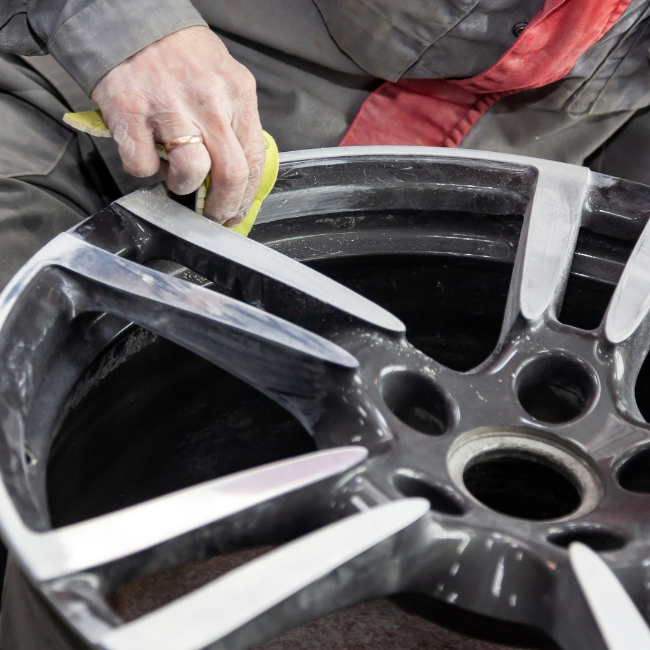
Alloy wheels take a beating from road grime, moisture, heat, brake dust, salt and everyday driving. Over time, the finish can start to bubble, peel, flake or develop cloudy white areas. Some drivers assume that means the wheels need to be replaced, but that is not always the case.
Professional alloy wheel refinishing can restore many types of cosmetic finish damage when the wheel itself remains in repairable condition. The right solution depends on what caused the damage, how far it has spread and whether the wheel has structural problems beyond the surface. Understanding the difference can help you decide when refinishing makes sense and when a wheel needs a different type of repair.
Can Alloy Wheel Refinishing Fix Corrosion?
Alloy wheel refinishing can often address cosmetic corrosion that develops on or beneath the wheel’s finish. Corrosion can start when moisture, road salt or other contaminants reach exposed metal through chips, scratches or damaged clear coat. Once that protective layer breaks down, the affected area can begin to look rough, cloudy, white or discolored.
A technician can inspect the wheel to determine how deep the corrosion goes. When the problem remains mainly cosmetic, the damaged finish can often be removed, the surface prepared and the wheel refinished. This restores the appearance while creating a new protective surface over the repaired area.
Severe corrosion is different. If corrosion has caused deep pitting, weakened the metal or affected important structural areas of the wheel, cosmetic refinishing alone might not be appropriate. A professional inspection can help determine whether the wheel remains a good candidate for refinishing.
Why Does The Finish On Alloy Wheels Start Peeling?
Most alloy wheels have protective coatings designed to protect the metal and give the wheel its finished appearance. Over time, age, road debris, moisture and harsh conditions can damage those layers. Small chips or cracks can allow moisture to work underneath the finish, which can cause bubbling, lifting and peeling.
Peeling can start in one small area and spread as more of the protective coating separates from the wheel. Drivers often notice the problem around spokes, wheel edges or areas that have previous curb damage. Once the coating begins to fail, washing the wheel will not restore the finish because the problem exists within the coating itself.
Professional alloy wheel refinishing addresses the damaged finish instead of simply cleaning the surface. A technician can remove failing material, prepare the wheel and refinish the affected area so the surface looks smooth again.
What Causes Alloy Wheel Oxidation?
Oxidation occurs when exposed metal reacts with oxygen and moisture. Aluminum alloy wheels do not rust in the same way steel does, but they can still corrode and oxidize. The result often appears as chalky, cloudy or white areas on the wheel.
Oxidation becomes more likely when the wheel’s clear coat or painted finish develops damage. Curb rash, stone chips and normal wear can create small openings that expose the metal underneath. Road salt and moisture can then speed up the process, especially in areas that experience winter weather or coastal conditions.
Cleaning can remove dirt sitting on top of the wheel, but it cannot reverse oxidation that has affected the finish or metal beneath it. That is when professional wheel refinishing can become the better option.
Can Peeling Clear Coat On Alloy Wheels Be Repaired?
Peeling clear coat can often be addressed through refinishing when the wheel remains structurally sound. Clear coat provides shine and protects the layers underneath, so once it starts peeling, the wheel can become more vulnerable to moisture, road grime and further finish damage.
A technician needs to remove the failing material and prepare the surface before applying a new finish. Simply spraying more clear coat over peeling sections would not solve the underlying problem because the new coating needs a clean, stable surface to bond properly.
The size and location of the damaged area help determine the repair process. Small sections of peeling finish can create a different repair than widespread coating failure across an entire wheel.
Is Alloy Wheel Corrosion Just A Cosmetic Problem?
Light surface corrosion can mainly affect appearance, but drivers should not assume all corrosion is cosmetic. Damage can sometimes extend deeper than what is visible from the outside.
A wheel with severe corrosion, cracks, bends or other structural damage needs a more complete evaluation. Cosmetic refinishing improves appearance, but it does not replace structural wheel repair when the wheel itself has become unsafe or damaged beyond the finish.
This is why a professional inspection matters. A technician can separate cosmetic finish problems from damage that requires a different solution instead of treating every wheel problem the same way.
Can Curb Rash Lead To Peeling Or Corrosion?
Curb rash can do more than leave an ugly scrape along the edge of a wheel. The impact can remove paint and clear coat, exposing the alloy underneath. Once that protective finish is gone, moisture and contaminants have easier access to the metal.
Over time, a small scraped area can begin showing oxidation, corrosion or peeling around the damaged finish. Repairing curb rash before the damage spreads can help restore the wheel’s appearance and protect the exposed surface.
Colors On Parade technicians can evaluate qualifying curb rash and cosmetic wheel damage to determine whether alloy wheel repair and refinishing can restore the affected area.
Should You Try To Fix Oxidized Alloy Wheels Yourself?
DIY wheel products can make a dirty wheel look better, but oxidation, peeling clear coat and damaged finishes often require more than cleaning or polishing. Aggressive sanding, harsh chemicals or the wrong polishing products can create uneven surfaces or damage surrounding finish that was still in good condition.
Matching the appearance of the original wheel also takes skill. Modern wheels can have painted, machined or specialty finishes that require different repair methods. A professional technician can identify the type of finish and choose a process that fits the wheel rather than using one method for every surface.
Is Refinishing Better Than Replacing An Alloy Wheel?
Refinishing can offer a practical alternative to replacement when the wheel has cosmetic surface damage but remains structurally sound. Instead of replacing an entire wheel because of peeling finish, oxidation or curb rash, refinishing focuses on restoring the existing wheel.
Replacement can make more sense when the wheel has serious structural damage or when the condition falls outside what refinishing can safely address. Cost, wheel design, damage severity and replacement availability can all affect the decision.
The goal should not be to repair every wheel at all costs. It should be to choose the right solution based on the actual condition of the wheel.
Can Mobile Alloy Wheel Refinishing Come To You?
Many Colors On Parade locations offer mobile cosmetic automotive services, including qualifying alloy wheel refinishing. Mobile service can allow a technician to complete certain repairs at a home, workplace, dealership or other approved location instead of requiring a traditional body shop visit.
Service availability depends on the location, wheel condition and repair needed. A local Colors On Parade technician can inspect the damage and explain whether mobile refinishing fits the situation.
Restore The Look Of Damaged Alloy Wheels
Corrosion, peeling clear coat and oxidation do not always mean an alloy wheel needs to be replaced. Professional alloy wheel refinishing can restore many qualifying cosmetic problems by removing the damaged finish, preparing the surface and refinishing the affected area.
Colors On Parade provides cosmetic alloy wheel repair and refinishing for qualifying damage in many markets. If your wheels have started peeling, bubbling, oxidizing or showing signs of corrosion, contact your local Colors On Parade team to find out whether refinishing can restore their appearance.
FAQs
1. Can Corroded Alloy Wheels Be Refurbished?
Many alloy wheels with cosmetic surface corrosion can be refinished if the wheel remains structurally sound. A technician can inspect the depth and location of the corrosion to determine whether refinishing is appropriate.
2. Why Is The Clear Coat Peeling Off My Alloy Wheels?
Clear coat can peel because of age, moisture, road debris, curb damage or other wear that breaks down the protective finish. Once moisture gets beneath the coating, peeling and oxidation can spread.
3. Does Alloy Wheel Refinishing Fix Curb Rash Too?
Alloy wheel refinishing can repair many qualifying areas of curb rash along with other cosmetic finish damage. The repair depends on the depth of the scrape, wheel design and whether the damage affects the wheel beyond the surface.