


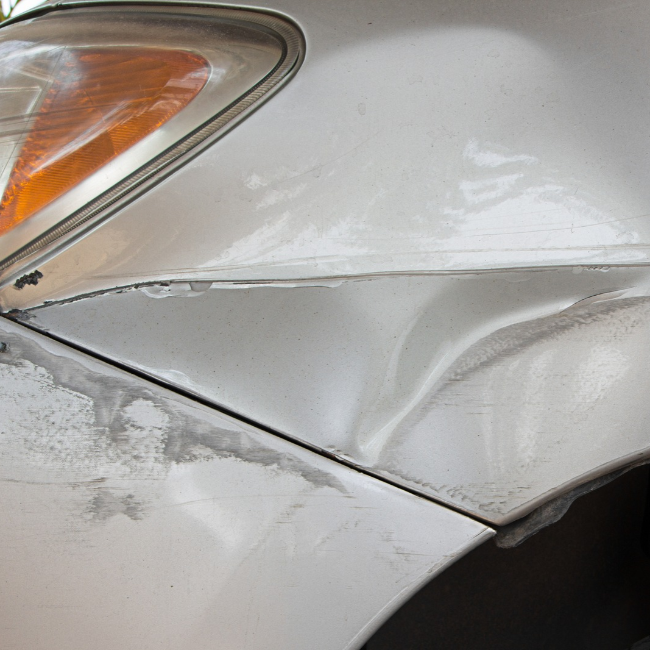
One parking lot bump can leave more than one type of damage behind. You might find a dent in the panel along with a scrape, paint transfer or scratch running across the same area. That can make it difficult to know whether you need dent repair, paint repair or both.
In many cases, scratch and dent repair can address both problems within the same repair process when the damage qualifies for SMART repair. The technician first needs to determine how deeply the paint has been damaged, how much the metal or plastic has changed shape and whether the affected area fits a localized repair approach. The right repair depends on what happened beneath the surface as much as what you can see from a few feet away.
Can SMART Repair Fix A Scratch And Dent In The Same Area?
SMART repair can address many qualifying areas where a dent and scratch occur together. SMART stands for Small to Medium Area Repair Technology, which focuses on repairing the damaged section instead of automatically refinishing a much larger part of the vehicle.
A technician begins by evaluating both parts of the damage. The dent has to be assessed for depth, shape and location, while the scratch needs to be checked to see which paint layers it reached. A light surface scratch across a shallow dent creates a different repair situation than a deep crease with exposed primer or metal.
When the damage fits the process, the technician can create a repair plan that addresses the shape of the panel and the damaged finish within the affected area.
Why Do Scratches And Dents Often Happen Together?
Many common vehicle impacts affect both the shape and finish of a panel. A shopping cart, another car door, a low-speed parking accident or an object brushing against the vehicle can push the panel inward while also dragging across the paint.
The dent comes from the force changing the shape of the panel. The scratch happens when the object rubs against or cuts into the finish during the same impact. Depending on the angle and force, the damage could range from light paint transfer over a shallow dent to a deep scratch across a sharp crease.
That is why two damaged areas that look similar at first glance can require different repairs. A technician needs to identify what happened to both the panel and the paint before deciding how to fix them.
Does The Scratch Depth Affect How The Dent Gets Repaired?
Yes. Scratch depth can have a major effect on the repair plan because it determines whether the original finish can stay in place.
Modern automotive paint usually includes primer, color and clear coat. A light mark might affect only the clear coat, while a deeper scratch can reach the color, primer or material underneath. If the paint remains intact around the dent, paintless dent repair could still be an option for the panel. If the finish has cracked or been removed, the damaged area can also require paint work.
The technician needs to solve both problems instead of treating the visible scratch and dent as unrelated damage. Reshaping the panel without addressing deep paint damage would leave the repair unfinished, while painting over a dent without correcting its shape would not restore the surface.
Can Paintless Dent Repair Work If There Is A Scratch?
A scratch does not automatically rule out paintless dent repair. What matters is whether the scratch has damaged the paint enough to require refinishing.
If a light scratch sits mainly in the clear coat and the paint can remain intact during dent correction, a technician could determine that PDR still fits the dent. The scratch might then need polishing or another surface treatment depending on its depth.
When the scratch reaches deeper paint layers or the finish has cracked, traditional PDR alone will not address all the damage. Dent-removal techniques could still play a role, but the area can also require paint repair afterward.
This is one reason a professional inspection matters. Looking at the dent alone does not provide enough information when paint damage is present too.
What If The Scratch Is Actually Paint Transfer?
Some marks that look like deep scratches are actually material transferred from another object. A painted wall, shopping cart, vehicle bumper or car door can leave color sitting on top of the vehicle’s finish without cutting deeply into the paint underneath.
A technician can inspect the mark to determine whether it is paint transfer, a surface scuff or an actual scratch. Paint transfer can sometimes be removed without repainting the area, while deeper damage requires a different repair.
The dent still needs its own evaluation. Removing transferred paint can reveal that the underlying finish remains in good condition, which could affect which dent repair method makes sense.
Does A Crease Change The Scratch And Dent Repair Process?
A crease can make the repair more complex because the metal has folded along a more defined line. Creases often concentrate force into a smaller area, which can put more stress on the vehicle’s paint.
If a crease has a scratch running through it, a technician needs to check whether the paint remained flexible or cracked during the impact. A shallow crease with intact paint can create a different repair opportunity than a sharp crease with exposed primer or metal.
Location matters as well. Creases along body lines, edges or areas with limited access behind the panel can require different techniques. The technician needs to evaluate the full damaged area rather than deciding based only on how long the crease looks.
Can SMART Repair Match The Paint After Fixing The Dent?
When a qualifying repair requires paint, matching the surrounding finish becomes an important part of the process. Technicians can start with the vehicle’s paint code, but that code does not always tell the complete story.
Automotive paint changes over time because of sunlight, weather, age and normal road exposure. Two vehicles that started with the same factory color can look slightly different years later. Colors On Parade technicians look at how the paint appears on the vehicle today, then adjust and blend the repair for the closest match possible.
This approach helps the repaired section fit naturally with the surrounding finish instead of treating the original paint code as the only factor.
Is SMART Repair Better Than Repainting The Whole Panel?
SMART repair can offer a practical alternative when the damage stays within a qualifying small to medium area. Instead of automatically refinishing more of the vehicle than needed, the process focuses on the damaged section.
That can mean less disruption and, in many cases, a faster and more affordable repair than traditional body shop methods. The exact repair time and cost depend on the damage, vehicle and local service availability.
SMART repair is not the right choice for every collision or large damaged area. Severe body damage, structural concerns or widespread paint failure can require a more extensive repair. The goal is to use a targeted repair when the condition of the vehicle supports it.
Can Mobile Scratch And Dent Repair Come To You?
Many Colors On Parade locations provide mobile scratch and dent repair for qualifying cosmetic damage. A technician could complete certain repairs at your home, workplace, dealership or another approved location, depending on the damage and local service options.
Mobile repair can reduce the need to leave your vehicle at a traditional body shop for certain cosmetic problems. The technician still needs enough room and the right conditions to complete the work properly, so service availability depends on the repair.
Your local Colors On Parade team can review the damage and tell you whether mobile SMART repair is an option.
Fix The Scratch And The Dent, Not Just One Of Them
When one impact causes both a scratch and a dent, the repair needs to address the entire damaged area. The technician has to determine how much the panel changed shape, how deeply the scratch reached and whether the paint stayed intact.
Colors On Parade specializes in SMART scratch and dent repair for qualifying small to medium areas of cosmetic vehicle damage. Our technicians can evaluate the dent and paint together and recommend a repair process that fits the actual condition of the vehicle. If one bump left you with both a dent and a scratch, contact your local Colors On Parade team to find out which repair option makes sense.
FAQs
1. Can A Dent And Scratch Be Repaired At The Same Time?
Yes, many qualifying dents and scratches can be addressed during the same repair process. The technician needs to evaluate the shape of the dent and depth of the scratch before deciding which repair methods to use.
2. Can PDR Fix A Dent If The Car Is Scratched Too?
PDR can still work when the scratch is light and the paint remains intact. If the scratch reaches deeper paint layers or the finish has cracked, the repair can also require paint work after the dent is corrected.
3. Is SMART Repair Good For Parking Lot Scratches And Dents?
SMART repair can work well for many qualifying small to medium areas of parking lot damage, including scratches, dents and scuffs. The size, depth, location and paint condition determine whether the damage fits the SMART repair process.